Scaffali metallici e scaffali: una guida alla selezione dell'acquirente
Scaffali metallici e scaffalature: risposta diretta per acquirenti B2B e gestori di strutture
Per gli operatori di magazzino, i marchi di organizzazioni di officine e gli acquirenti al dettaglio che acquistano attrezzature per lo stoccaggio, il modo più affidabile per selezionare scaffali metallici e gli scaffali di stoccaggio devono abbinare il tipo di scaffalatura e il coefficiente di carico al peso effettivo e al modello di accesso degli articoli da immagazzinare, piuttosto che scegliere in base solo all'aspetto. Le scaffalature con rivetti senza bulloni, le scaffalature senza bulloni per carichi pesanti, le scaffalature per pallet selettive, le scaffalature in filo metallico e le scaffalature per garage montate a parete trasportano ciascuna capacità di carico, metodi di assemblaggio e opzioni di profondità diverse e comprendere queste differenze in anticipo aiuta gli acquirenti a evitare di sottospecificare un sistema che in seguito necessita di costose sostituzioni. Poiché le scaffalature metalliche sono prodotti strutturali utilizzati per sostenere il peso reale per lunghi periodi, la corretta selezione in fase di approvvigionamento ha un effetto diretto sulla sicurezza a lungo termine, sulla densità di stoccaggio e sul rendimento di un programma di scaffalature in garage, vendita al dettaglio e magazzino.
La domanda di scaffalature e scaffalature metalliche è cresciuta costantemente nell'organizzazione di garage residenziali, esposizioni commerciali al dettaglio e stoccaggio in magazzini industriali. Secondo un rapporto di mercato di Grand View Research, il mercato globale dell'organizzazione e dello stoccaggio dei garage è stato valutato a circa 23,3 miliardi di dollari nel 2022 e si prevede che raggiungerà il giro 41,3 miliardi di dollari entro il 2030 , che riflette un tasso di crescita annuo composto di circa il 7,4%, con gli scaffali e le scaffalature per garage identificati nello stesso rapporto come uno dei segmenti di prodotto in più rapida crescita all'interno di quel mercato più ampio.
Trend di crescita nel mercato dell’organizzazione e dello stoccaggio dei garage
Prima di confrontare i singoli tipi di scaffalature, è utile vedere la curva di domanda più ampia percorsa dagli scaffali dei garage e dalle scaffalature metalliche. La crescita del mercato influenza il modo in cui i produttori pianificano l’approvvigionamento dell’acciaio, la capacità di rivestimento e la programmazione della produzione, che a loro volta determinano i tempi di consegna e la flessibilità degli ordini per gli acquirenti. Un mercato in espansione a un tasso annuale composto a una cifra medio-alto generalmente supporta una disponibilità di componenti più stabile rispetto a un mercato guidato da tendenze a breve termine. Il grafico seguente traccia le stime pubblicate sulle dimensioni del mercato per questa categoria in due anni di riferimento. L'esame di questa tendenza prima di finalizzare le specifiche degli scaffali offre agli acquirenti un contesto utile per la pianificazione della capacità dei fornitori.
Il grafico mostra che il mercato dell’organizzazione e dello stoccaggio dei garage cresce da una stima di 23,3 miliardi di dollari nel 2022 a una proiezione di 41,3 miliardi di dollari entro il 2030, secondo Grand View Research, che corrisponde a un tasso di crescita annuale composto di circa il 7,4% nell’arco della finestra di previsione. Si tratta di un modello di crescita costante e sostenuto piuttosto che di un picco di breve durata, il che è un segnale utile per i produttori che pianificano investimenti a lungo termine in attrezzature e linee di rivestimento. All’interno di questo mercato più ampio, lo stesso rapporto identifica gli scaffali e gli scaffali da garage come il tipo di prodotto in più rapida crescita, davanti agli armadietti chiusi e ai sistemi di organizzazione a parete, suggerendo che i formati di scaffalature aperte stanno guadagnando una relativa preferenza tra gli acquirenti. Per i produttori, la crescita sostenuta della categoria supporta investimenti continui nei rapporti di approvvigionamento dell’acciaio e nella capacità di finitura, poiché non si prevede che la domanda si stabilizzi bruscamente nel periodo di previsione. Per gli acquirenti B2B, un mercato in crescita e in cambiamento significa anche che c’è spazio per differenziare un catalogo di scaffalature in base alla configurazione e alla flessibilità del carico piuttosto che competere esclusivamente su una gamma di prodotti ristretta. Diverse società di ricerca a volte pubblicano cifre assolute diverse a seconda di quanto in generale definiscono la categoria garage e deposito, quindi i valori sopra indicati sono meglio interpretarli come stime direzionali piuttosto che come numeri universali fissi. Anche così, la maggior parte delle previsioni pubblicate concordano nella stessa direzione di fondo, con una crescita costante a una cifra medio-alta guidata dall’aumento della proprietà di case, dall’espansione dei magazzini e dall’aumento della domanda di stoccaggio organizzato sia in contesti residenziali che commerciali. Questo accordo direzionale tra fonti indipendenti è generalmente più utile ai fini della pianificazione rispetto a qualsiasi singola cifra assoluta. Gli acquirenti che valutano un nuovo fornitore di scaffalature possono utilizzare questo contesto per chiedere informazioni sulla capacità produttiva attuale, sui tempi di consegna tipici per le dimensioni standard rispetto a quelle personalizzate e su come un produttore intende aumentare la produzione man mano che i volumi degli ordini crescono. I fornitori in grado di rispondere concretamente a queste domande sono in genere meglio posizionati per rapporti di fornitura a lungo termine rispetto a quelli focalizzati solo su un singolo ordine.
Il mercato dell'organizzazione e dello stoccaggio dei garage è cresciuto a un ritmo sostenuto di circa 7,4% annuo , con gli scaffali e le scaffalature per garage considerati il segmento in più rapida crescita, rendendo la scalabilità dei fornitori un fattore importante nelle decisioni di approvvigionamento.
Tipi comuni di scaffali metallici e scaffali di stoccaggio
La categoria più ampia di scaffalature e scaffalature metalliche copre diversi formati di prodotto distinti, ciascuno adatto a una diversa combinazione di carico, frequenza di accesso e spazio disponibile. Gli acquirenti in genere iniziano identificando quale di questi formati corrisponde al loro ambiente di archiviazione prima di passare a discussioni dettagliate su dimensioni e carico nominale con un produttore.
Scaffalature con rivetti senza bulloni Assemblaggio con linguetta e rivetto ad incastro, senza attrezzi, adatto a carichi di stoccaggio leggeri e medi. Scaffalature senza bulloni per carichi pesanti Scartamento in acciaio più spesso e travi rinforzate, costruiti per una maggiore capacità di carico per ripiano. Scaffalature per pallet selettive Sistema di magazzino a travi e telaio progettato per merci pallettizzate e accesso con carrelli elevatori. Scaffalature in filo metallico Struttura in acciaio a griglia aperta che resiste all'accumulo di polvere, comune nei servizi di ristorazione e nello stoccaggio leggero. Scaffalature a parete per garage Unità montate su staffa che mantengono libero lo spazio sul pavimento in garage o officine più piccole.
Confronto delle caratteristiche generali dei comuni formati di scaffalature e scaffalature metalliche.
Digitare
Metodo di assemblaggio
Carico tipico per ripiano
Migliore impostazione
Scaffalature con rivetti senza bulloni
Linguetta e rivetto senza attrezzi
100 - 200 chilogrammi
Garage, magazzino al dettaglio
Senza bulloni per impieghi gravosi
Travi rinforzate senza attrezzi
200 - 500 chilogrammi
Magazzino, centro di distribuzione
Scaffalature per pallet selettive
Telaio e trave imbullonati
500 kg - diverse tonnellate
Stoccaggio in magazzino pallettizzato
Scaffalature in filo metallico
Assemblaggio di montanti e clip
80 - 150 chilogrammi
Servizio di ristorazione, deposito leggero
Garage a parete
Staffa e ancoraggio a muro
50-120kg
Piccolo garage, officina
Composizione del mercato dello stoccaggio in garage
Comprendere come il mercato più ampio dello stoccaggio in garage è suddiviso tra armadi chiusi e formati di scaffalature aperte aiuta gli acquirenti a valutare dove si concentra la crescita della categoria. Questa suddivisione influenza anche le configurazioni di prodotto per le quali è più probabile che un produttore disponga di attrezzature esistenti, il che può influire sui tempi di consegna di un nuovo ordine. La barra in pila sottostante suddivide il mercato dell'organizzazione e dello stoccaggio dei garage nel 2025 per principale famiglia di prodotti, sulla base di una stima del settore pubblicata. Questa visualizzazione della composizione è un utile riferimento iniziale prima di restringere il campo a una specifica configurazione di scaffalature con un fornitore.
Secondo un rapporto di mercato di market.us, gli armadietti da garage chiusi rappresentavano circa il 44,8% del mercato dell'organizzazione e dello stoccaggio dei garage nel 2025, con la quota rimanente costituita da scaffalature aperte, scaffalature, organizzazione delle pareti, contenitori sopraelevati e prodotti per postazioni di lavoro combinati. Questa suddivisione dimostra che, sebbene gli armadi chiusi rimangano una categoria importante, più della metà del mercato complessivo è costituito da formati di stoccaggio aperti e modulari come scaffalature per garage e scaffalature. Per i produttori, questa composizione supporta il mantenimento di un’ampia gamma di prodotti che abbraccia sia lo stoccaggio chiuso che quello aperto piuttosto che concentrarsi esclusivamente su un formato. Per gli acquirenti, ciò suggerisce che un catalogo incentrato sugli scaffali si rivolge a una quota maggioritaria significativa e crescente del mercato piuttosto che a una nicchia ristretta al suo interno. La divisione relativamente equa tra armadi e scaffalature aperte riflette anche le diverse priorità degli acquirenti, poiché gli armadi tendono ad attrarre le famiglie che danno priorità alla protezione dalla polvere e dall’umidità per gli articoli immagazzinati, mentre gli scaffali e gli scaffali tendono ad attrarre gli acquirenti che danno priorità alla rapida visibilità, al facile accesso e alla riconfigurazione flessibile. Gli acquirenti al dettaglio e industriali al di fuori del segmento dei garage residenziali si orientano ancora di più verso i formati di scaffalature e scaffalature aperte, poiché lo stoccaggio di scorte pallettizzate e sfuse generalmente non beneficia di design di armadi chiusi. Poiché le definizioni delle categorie di prodotto variano leggermente tra le società di ricerca, l’esatta ripartizione percentuale dovrebbe essere trattata come un riferimento generale al mercato piuttosto che come una cifra universale precisa. Anche con questo avvertimento, il modello generale, secondo cui i sistemi di scaffalature e scaffalature aperte costituiscono la quota maggiore del mercato dello stoccaggio combinato, è coerente con il modo in cui queste categorie di prodotti vengono generalmente descritte nelle fonti del settore. Gli acquirenti possono utilizzare questo contesto per decidere quanta parte di un catalogo di storage a marchio del distributore destinare ai formati di scaffalature e scaffalature relative ai prodotti con armadi chiusi.
Scaffalature aperte, scaffali e sistemi a parete insieme rappresentano più della metà del mercato dell'organizzazione e dello stoccaggio delle officine , sottolineando la costante domanda di fondo nello specifico di scaffali e scaffalature metalliche.
Principi strutturali e portanti dei sistemi di scaffalature metalliche
Una scaffalatura metallica o un'unità di scaffalature distribuisce il peso attraverso un piccolo numero di componenti strutturali principali che lavorano insieme: montanti verticali che trasportano il carico principale fino al pavimento, ripiani orizzontali o livelli di travi che sostengono gli oggetti immagazzinati e rinforzi che impediscono al telaio di flettersi lateralmente sotto carico. Comprendere questa struttura aiuta gli acquirenti a valutare i disegni tecnici o le unità campione in modo più efficiente, poiché ciascun componente corrisponde a una specifica questione ingegneristica che può essere discussa direttamente con un fornitore.
Componentei del telaio e di supporto
I montanti del telaio verticale trasportano il carico principale sul pavimento
Il rinforzo trasversale diagonale resiste alla flessione laterale sotto carico irregolare
I piedini di livellamento della base mantengono stabile l'unità su pavimenti irregolari
I punti di ancoraggio a parete proteggono le unità più leggere dal ribaltamento
Componenti del ripiano e del carico
I pannelli degli scaffali o delle terrazze distribuiscono il peso in modo uniforme su ciascun livello
I connettori di bloccaggio senza bulloni uniscono gli scaffali ai montanti senza hardware
I livelli di scaffale regolabili consentono modifiche della spaziatura per le diverse dimensioni degli articoli
Le etichette della capacità di carico indicano il limite di peso nominale per livello di ripiano
Diagramma strutturale etichettato
Questo diagramma strutturale semplificato illustra come si collegano i componenti principali di uno scaffale in stile senza bulloni, dai piedini di livellamento della base nella parte inferiore ai livelli dei ripiani regolabili che corrono lungo il telaio. Il layout segue la stessa logica generale nella maggior parte dei sistemi di scaffalature e scaffalature metalliche, con montanti verticali che trasportano il carico sul pavimento, ripiani orizzontali che distribuiscono il peso su ciascun livello e rinforzi diagonali che mantengono il telaio quadrato sotto carico irregolare. L'esame di un diagramma come questo insieme ai disegni tecnici del fornitore può aiutare gli acquirenti a confermare che i dettagli critici, come il tipo di connettore, lo schema di rinforzo e la stabilità della base, corrispondono all'ambiente di stoccaggio previsto prima di effettuare un ordine di produzione.
Una chiara comprensione di telaio, rinforzo e struttura del connettore consente agli acquirenti di porre domande tecniche più specifiche durante la valutazione del fornitore anziché fare affidamento solo su una scheda delle specifiche di marketing.
Scenari applicativi e criteri di selezione per scaffali e scaffalature metalliche
La scelta della giusta configurazione di scaffalature inizia con l'abbinamento del prodotto all'ambiente previsto. Un'unità costruita per lo stoccaggio leggero in un garage domestico necessita di una combinazione diversa di capacità di carico, profondità e finitura rispetto a quella destinata a un magazzino di distribuzione o a un magazzino di vendita al dettaglio che gestisce frequenti riassortimenti.
Dove vengono utilizzati questi sistemi
Garage residenziali e officine domestiche
Deposito nel retrobottega e nel magazzino al dettaglio
Stoccaggio in magazzini e centri di distribuzione
Stoccaggio di ricambi per l'industria leggera e per officine
Servizio di ristorazione e deposito di cucine commerciali
Cosa dovrebbero controllare prima gli acquirenti
Capacità di carico nominale per ripiano e per unità
Profondità dello scaffale e ingombro complessivo rispetto allo spazio disponibile
Calibro in acciaio e rivestimento superficiale per l'ambiente di stoccaggio
Adattabilità della spaziatura tra gli scaffali per diverse dimensioni degli articoli
Metodo di assemblaggio e se sono necessari strumenti in loco
Abbinamento degli scenari applicativi comuni alle specifiche delle scaffalature pertinenti.
Scenario
Specifica prioritaria
Classe di carico consigliata
Deposito nel garage di casa
Ingombro compatto, facilità di montaggio
Lavoro da leggero a medio
Magazzino al dettaglio
Distanza tra i ripiani regolabile
Servizio medio
Centro di distribuzione del magazzino
Capacità di carico elevata, accesso al carrello elevatore
Pesante
Officina industriale leggera
Travi rinforzate, rivestimento durevole
Da medio a pesante
Stoccaggio del servizio di ristorazione
Design a griglia aperta e facile da pulire
Servizio leggero
Quota regionale della domanda globale di scaffalature
I criteri di selezione dipendono non solo dalle specifiche del prodotto ma anche dal luogo in cui sono concentrati i mercati consolidati di un produttore. I modelli di domanda regionale influenzano gli standard di imballaggio, i sistemi di unità e le preferenze di finitura con cui un fornitore ha già familiarità, il che può ridurre i tempi di qualificazione per un nuovo acquirente. Comprendere approssimativamente quanta domanda globale di scaffalature si trova all’interno di una singola regione aiuta anche gli acquirenti a confrontare il proprio mercato di riferimento con un centro di domanda consolidato. L'indicatore sottostante mostra la quota nordamericana del mercato globale delle scaffalature sulla base di una stima del settore pubblicata. Questo contesto regionale rappresenta un utile punto di riferimento prima di finalizzare un piano di approvvigionamento con un partner produttivo.
Secondo un rapporto di mercato di Growth Market Reports, nel 2025 il Nord America rappresentava circa 4,4 miliardi di dollari del mercato globale degli scaffali, pari a circa il 28,5% del valore totale del mercato globale di quell’anno. Ciò rende il Nord America una quota matura ma ancora significativa di un mercato globale che abbraccia la domanda di scaffalature residenziali, commerciali e industriali. Una quota regionale vicina al 29% indica una base di acquirenti ben consolidata con modelli di ordini stagionali prevedibili, in particolare per quanto riguarda il miglioramento della casa e i cicli di espansione dei magazzini. Per i produttori, una presenza consolidata in un mercato di queste dimensioni richiede generalmente esperienza con gli standard di imballaggio regionali, le pratiche di caricamento dei container e le preferenze di finitura comuni per quel mercato. Per gli acquirenti con sede in Nord America, questa quota suggerisce un panorama di offerta maturo e competitivo in cui la differenziazione spesso si riduce alla flessibilità di configurazione, ai tempi di consegna coerenti e alla comunicazione reattiva piuttosto che all’ingresso in un mercato sottosviluppato. Gli acquirenti con sede in altre regioni, come l’Asia-Pacifico o l’Europa, possono utilizzare questa cifra come punto di confronto per valutare quanto margine relativo esiste nel proprio mercato regionale degli scaffali. Vale la pena notare che le stime delle quote regionali come questa possono variare leggermente tra le società di ricerca a seconda di come viene definita la categoria degli scaffali, quindi la cifra sopra dovrebbe essere trattata come una stima direzionale generale. Nonostante questo avvertimento, la posizione del Nord America come mercato ampio e maturo degli scaffali è coerente nella maggior parte delle fonti di settore pubblicate. Gli acquirenti possono utilizzare questo contesto regionale insieme alla storia di esportazioni dichiarata di un fornitore per giudicare se quel fornitore ha già un'esperienza rilevante nel servire un mercato di dimensioni e struttura comparabili al proprio.
Il Nord America rappresenta vicino 28,5% del mercato globale degli scaffali , rendendo l'esperienza consolidata di esportazione e confezionamento in quella regione un utile indicatore della disponibilità dei fornitori.
Confronto dettagliato: scaffalature con rivetti senza bulloni, scaffalature per carichi pesanti, scaffalature in filo metallico e scaffalature a parete per garage
Una volta che l'acquirente ha compreso il panorama generale delle categorie, il passo successivo è un confronto più ravvicinato tra i formati più comunemente richiesti. Ogni formato comporta compromessi distinti in termini di capacità di carico, impegno di assemblaggio e facilità con cui può essere personalizzato per un programma di archiviazione con etichetta privata.
Specifiche dettagliate e confronto dei casi d'uso tra quattro formati di scaffalature comuni.
Attributo
Rivetto senza bulloni
Scaffalature per carichi pesanti
Scaffalature in filo metallico
Garage a parete
Assemblea
Linguetta e rivetto senza attrezzi
Telaio e trave imbullonati
Pubblica e clip
Staffa e ancoraggio a muro
Capacità di carico
Medio
Da alto a molto alto
Da leggero a medio
Luce
Impronta sul pavimento
Indipendente standard
Più grande, dipendente dal corridoio
Indipendente standard
Nessuno, a parete
Esigenze di manutenzione
Controlli periodici dei connettori
Controllo della coppia dei bulloni e del telaio
Clip e ispezione post
Verifiche su staffe e ancoraggi
Utilizzo finale tipico
Garage, magazzino al dettaglio
Magazzino, distribuzione
Servizio di ristorazione, deposito leggero
Piccolo garage, officina
Gamma di personalizzazione
Numero di ripiani, profondità, finitura
Lunghezza trave, altezza montante
Dimensioni dello scaffale, spaziatura dei cavi
Lunghezza staffa, colore finitura
Idoneità alla capacità di carico per tipo di scaffale
Le tabelle delle specifiche aiutano nel confronto fianco a fianco, ma una matrice visiva può rendere più veloce la visualizzazione del tipo di scaffalatura generalmente adatto a quale intervallo di carico. Una visualizzazione a matrice è particolarmente utile quando un acquirente confronta contemporaneamente diversi tipi di scaffalature con diverse classi di servizio di stoccaggio. La mappa termica di seguito presenta una visione generale dell'idoneità tra quattro tipi comuni di scaffalature e tre classi di carico, basata sull'ingegneria del prodotto tipica della categoria piuttosto che su un singolo test certificato. Le celle più scure indicano un adattamento tipico più forte, mentre le celle più chiare indicano un adattamento più limitato per quell'intervallo di carico. Questo confronto ha lo scopo di supportare la selezione del prodotto nella fase iniziale piuttosto che sostituire un calcolo formale del carico ingegneristico.
Vestibilità tipica forte Vestibilità moderata Vestibilità limitata
La mappa termica mostra che le scaffalature con rivetti in filo metallico e senza bulloni sono generalmente adatte per lo stoccaggio di carichi leggeri, ma diventano una soluzione più limitata man mano che i requisiti di carico si spostano nella gamma dei carichi pesanti, dove è più probabile che gli spessori di acciaio più sottili e i connettori più leggeri costituiscano un vincolo. Le scaffalature senza bulloni per carichi pesanti mostrano un adattamento più ampio da forte a moderato per le classi di carico medio e pesante, riflettendo il suo spessore in acciaio più spesso e il design delle travi rinforzate, che le rendono una scelta di via di mezzo comune per i magazzini che non richiedono scaffalature per pallet complete. Le scaffalature per pallet mostrano lo schema opposto rispetto alle scaffalature metalliche, con un'idoneità limitata per un uso leggero, poiché la sua struttura a telaio e trave imbullonata è progettata specificamente per carichi unitari più elevati e generalmente non è economicamente vantaggiosa per lo stoccaggio di articoli leggeri. Le scaffalature a parete per garage si adattano perfettamente solo alla gamma leggera, che si allinea con la sua struttura con staffe e ancoraggi e il suo utilizzo tipico per articoli domestici più piccoli e leggeri piuttosto che per lo stoccaggio sfuso o pallettizzato. Questo tipo di modello è abbastanza tipico nella categoria degli scaffali, dove nessun singolo formato è ottimizzato contemporaneamente per ogni intervallo di carico. Per gli acquirenti B2B che creano un catalogo di stoccaggio a più livelli, questa matrice è un punto di partenza pratico per decidere quali tipi di scaffalature immagazzinare per quali segmenti di clientela, ad esempio offrendo scaffalature in filo e rivetti senza bulloni per acquirenti residenziali leggeri e servizi di ristorazione mentre offrendo scaffalature per carichi pesanti senza bulloni o scaffalature per pallet per acquirenti di magazzini e industriali. Quando si esamina una matrice simile con un produttore, è utile chiedere lo specifico calibro dell'acciaio, il design della trave e il coefficiente di carico testato per ciascuna linea di prodotto, poiché la capacità di carico effettiva dipende da specifiche di produzione che una matrice di idoneità generale non può catturare da sola. Chiarire questi dettagli nelle prime fasi del processo di approvvigionamento aiuta a evitare aspettative non corrispondenti una volta che un sistema di scaffalature è installato e caricato nell'ambiente previsto.
Nessun tipo di scaffalatura è ottimizzato per ogni intervallo di carico, quindi abbinamento del tipo di scaffalatura alla classe di servizio è generalmente più efficace rispetto al passaggio a una linea di prodotti per impostazione predefinita in un intero programma di archiviazione.
Approvvigionamento da un produttore esperto di scaffali e scaffalature metalliche
Al di là delle specifiche del prodotto, il produttore dietro un programma di scaffalature metalliche ha un effetto diretto sulla coerenza, sui tempi di consegna e sulla facilità con cui una configurazione può evolversi su più ordini. Gli acquirenti che valutano un nuovo fornitore generalmente cercano un produttore con un impianto di produzione stabile, un processo di controllo della qualità strutturato e una gamma di prodotti sufficientemente ampia da supportare sia un ordine iniziale che una futura espansione nei relativi formati di archiviazione.
Shanghai King Global Shelf Co., Ltd. è un esempio di produttore costruito attorno a questo tipo di modello di produzione mirato. Fondata nel 2010, l'azienda è specializzata in soluzioni di scaffalature e stoccaggio per la logistica e il magazzinaggio, con linee di prodotti che spaziano da scaffalature domestiche, scaffalature industriali per carichi pesanti e sistemi di ottimizzazione del magazzino. La sua capacità produttiva è supportata da un moderno impianto di produzione, da un team esperto di ingegneria e assemblaggio e da procedure strutturate di controllo della qualità applicate a tutto il processo di produzione delle scaffalature. Posizionata come fornitore di scaffalature metalliche e scaffalature metalliche e fabbrica di scaffali di stoccaggio con sede in Cina, l'azienda progetta i suoi sistemi di scaffalature ponendo l'accento sul miglioramento dell'esposizione dei prodotti, dell'efficienza dello stoccaggio e dell'utilizzo dello spazio in diversi contesti di mercato, dai piccoli garage domestici alle aree di stoccaggio commerciali più grandi.
L'approccio dichiarato dell'azienda è incentrato su una qualità di produzione stabile, opzioni di configurazione flessibili e un servizio clienti reattivo, supportando sia gli acquirenti nazionali in Cina che i clienti esteri che acquistano sistemi di scaffalature e scaffalature per i propri mercati. Per gli acquirenti B2B, questo tipo di combinazione, una storia produttiva consolidata insieme a una gamma di prodotti che spazia da scaffalature domestiche, industriali e di magazzino, è generalmente un indicatore pratico di un fornitore in grado di supportare un programma di stoccaggio in crescita piuttosto che un singolo ordine una tantum.
Un produttore con una storia produttiva consolidata e una gamma di scaffalature che abbraccia formati domestici, industriali e di magazzino è in genere meglio posizionata per supportare un programma di storage multi-segmento in crescita.
Guida alla manutenzione e all'ispezione di scaffali metallici e scaffalature di stoccaggio
L'ispezione di routine ha un effetto diretto sulla sicurezza che una scaffalatura metallica o un sistema di scaffalature continua a funzionare durante la sua vita lavorativa. La condivisione di chiare linee guida sulla manutenzione con i clienti finali tende inoltre a ridurre il rischio che sovraccarichi o danni strutturali passino inosservati, il che è una considerazione pratica per qualsiasi marchio che crea un catalogo di prodotti di storage a lungo termine.
Ispezionare periodicamente i montanti del telaio verticale e i punti di collegamento per individuare componenti piegati o linguette senza bulloni usurate
Verificare che le etichette della capacità di carico rimangano visibili ed evitare di superare il peso nominale per ciascun livello dello scaffale
Controllare la stabilità del rinforzo diagonale e dei piedini di livellamento della base, in particolare dopo lo spostamento di un'unità
Pulisci regolarmente le superfici degli scaffali per prevenire l'accumulo di polvere o residui che possono nascondere l'usura strutturale
Ispezionare il rivestimento o la finitura per verificare la presenza di ruggine o scheggiature, soprattutto in ambienti umidi o con garage adiacenti all'esterno
Ridistribuire gli articoli più pesanti verso i livelli più bassi degli scaffali per mantenere un baricentro stabile
Stringere nuovamente o sostituire l'hardware del connettore usurato sui sistemi di scaffalature imbullonate secondo le specifiche di assemblaggio originali
Frequenza di ispezione suggerita per i comuni componenti di scaffalature metalliche e scaffalature.
Component
Frequenza suggerita
Telaio e rinforzo
Ogni 3 - 6 mesi
Etichette di capacità di carico
Ad ogni riconfigurazione
Hardware del connettore
Ogni 6 mesi
Rivestimento superficiale
Ogni anno o dopo un uso intenso
Ispezione coerente di collegamenti del telaio, etichette di carico e rivestimento superficiale è generalmente il modo più efficace per mantenere un sistema di scaffalature metalliche sicuro e stabile per tutta la sua vita lavorativa.
Domande frequenti
Qual è la differenza tra scaffalature con rivetti senza bulloni e scaffalature per pallet per carichi pesanti?
Le scaffalature con rivetti senza bulloni utilizzano linguette e rivetti ad incastro per un assemblaggio senza attrezzi e sono generalmente adatte a carichi da leggeri a medi come scorte al dettaglio o magazzini in garage, mentre le scaffalature per pallet utilizzano una struttura a trave e telaio imbullonata progettata per carichi unitari più elevati come le merci pallettizzate in un magazzino.
Quanto peso può sostenere un tipico scaffale in metallo?
La capacità di carico varia in modo significativo a seconda del tipo di scaffalatura, da circa 80 a 200 chilogrammi per ripiano per scaffalature leggere con filo metallico o rivetti senza bulloni fino a diverse centinaia di chilogrammi o più per livello per scaffalature pesanti senza bulloni e scaffalature per pallet. Gli acquirenti dovrebbero confermare il coefficiente di carico specifico con un fornitore piuttosto che dare per scontato che un valore valga per tutte le linee di prodotto.
È possibile personalizzare i sistemi di scaffalature e scaffalature metalliche per un layout di stoccaggio specifico?
Sì, le opzioni di personalizzazione comuni includono la profondità degli scaffali, l'altezza dei montanti, il numero di livelli, la spaziatura delle travi e la finitura superficiale, consentendo di configurare un sistema in base a una specifica larghezza del corridoio, altezza del soffitto o target di densità di stoccaggio.
Quali fattori influenzano la resistenza alla corrosione degli scaffali metallici?
La resistenza alla corrosione è influenzata principalmente dal tipo di acciaio di base e dal processo di finitura superficiale, come la verniciatura a polvere o il rivestimento zincato. Gli ambienti di stoccaggio interni e asciutti generalmente richiedono un rivestimento protettivo inferiore rispetto a garage, scantinati o magazzini umidi.
Come funzionano generalmente i tempi di consegna e le quantità minime di ordine con un produttore di scaffalature metalliche?
I tempi di consegna e le quantità minime dell'ordine dipendono da fattori quali dimensioni standard rispetto a quelle personalizzate, capacità di produzione attuale e requisiti di finitura. Gli acquirenti devono confermare questi dettagli direttamente con un partner di produzione durante la fase di preventivo.
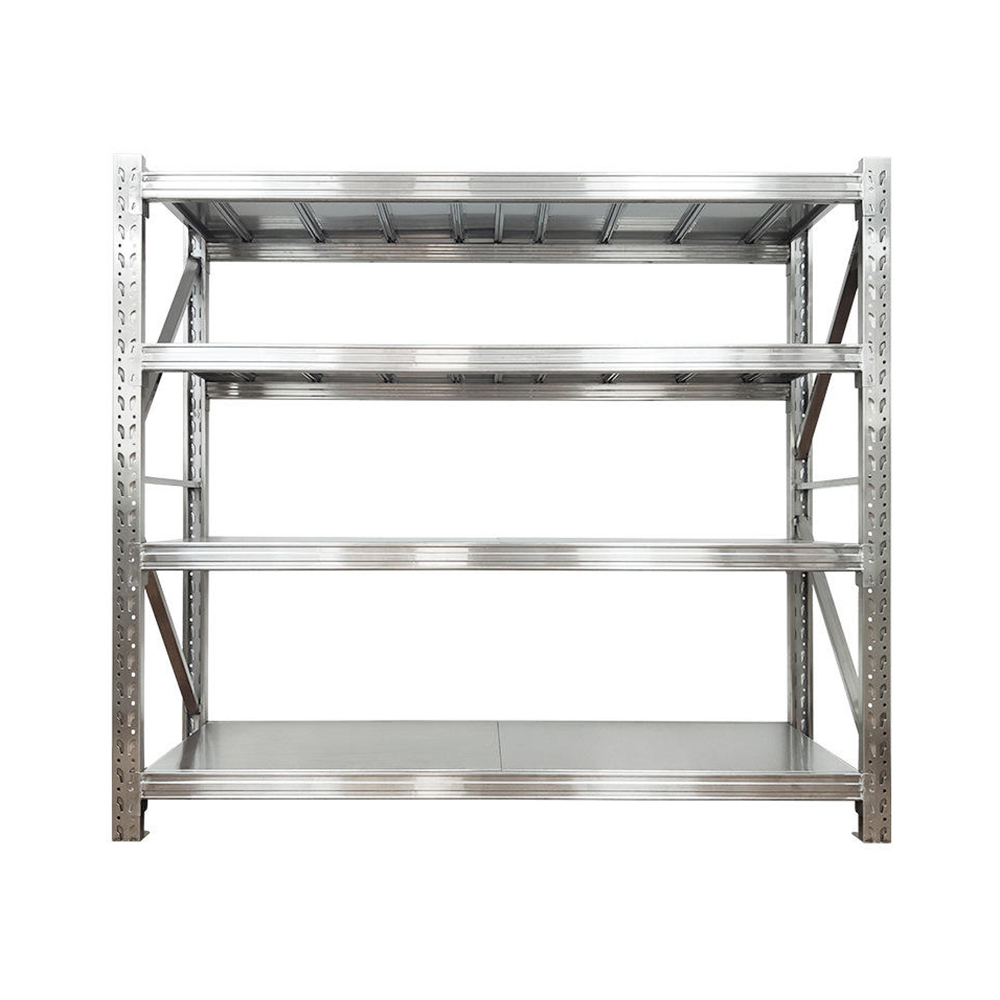
【Rack di stoccaggio in acciaio inossidabile per carichi pesanti】 Questo rack di stoccaggio di livello industriale è realizzato in acciaio inossidabile di alta qualità, offrendo eccezionale durata, resistenza alla corrosione e facile manutenzione, rendendolo ideale per uso industriale, commerciale e domestico intensivo. Con una capacità di carico di 500 kg per strato, questo scaffale è in grado di immagazzinare gli oggetti più pesanti, da attrezzature e strumenti industriali a merci sfuse ed elettrodomestici. 【Design verticale solido e perforato per una maggiore stabilità】 Il solido design verticale perforato fornisce supporto strutturale e stabilità superiori, garantendo che il rack rimanga rigido e privo di oscillazioni anche quando è completamente carico di oggetti pesanti. Questo design ingegneristico professionale migliora significativamente le prestazioni di carico complessive del rack, rendendolo una soluzione di archiviazione affidabile per applicazioni pesanti. 【Costruzione in acciaio inossidabile resistente alla ruggine e alla corrosione】 L'acciaio inossidabile è naturalmente resistente alla ruggine, alla corrosione e alle macchie, rendendo questo rack perfetto per l'uso in ambienti umidi come cucine, bagni, garage e aree di stoccaggio all'aperto. A differenza dei normali rack in acciaio, questo rack in acciaio inossidabile non arrugginisce né si corrode nel tempo, garantendo una lunga durata e mantenendo il suo aspetto elegante per anni. 【Facile da pulire e mantenere】 La superficie liscia e non porosa in acciaio inossidabile è incredibilmente facile da pulire e mantenere. Basta pulirlo con un panno umido o un detergente delicato per rimuovere polvere, sporco, grasso e macchie e sembrerà come nuovo. Questo design a bassa manutenzione consente di risparmiare tempo e fatica, rendendolo ideale per famiglie affollate e ambienti commerciali. 【Struttura Rinforzata per una Durata a Lungo Termine】 Le travi e i montanti rinforzati formano una struttura di supporto robusta, in grado di resistere a un uso intenso a lungo termine senza piegarsi, deformarsi o crollare. Questa struttura resistente garantisce che il rack rimanga stabile e affidabile per molti anni, anche negli ambienti industriali e commerciali più esigenti.
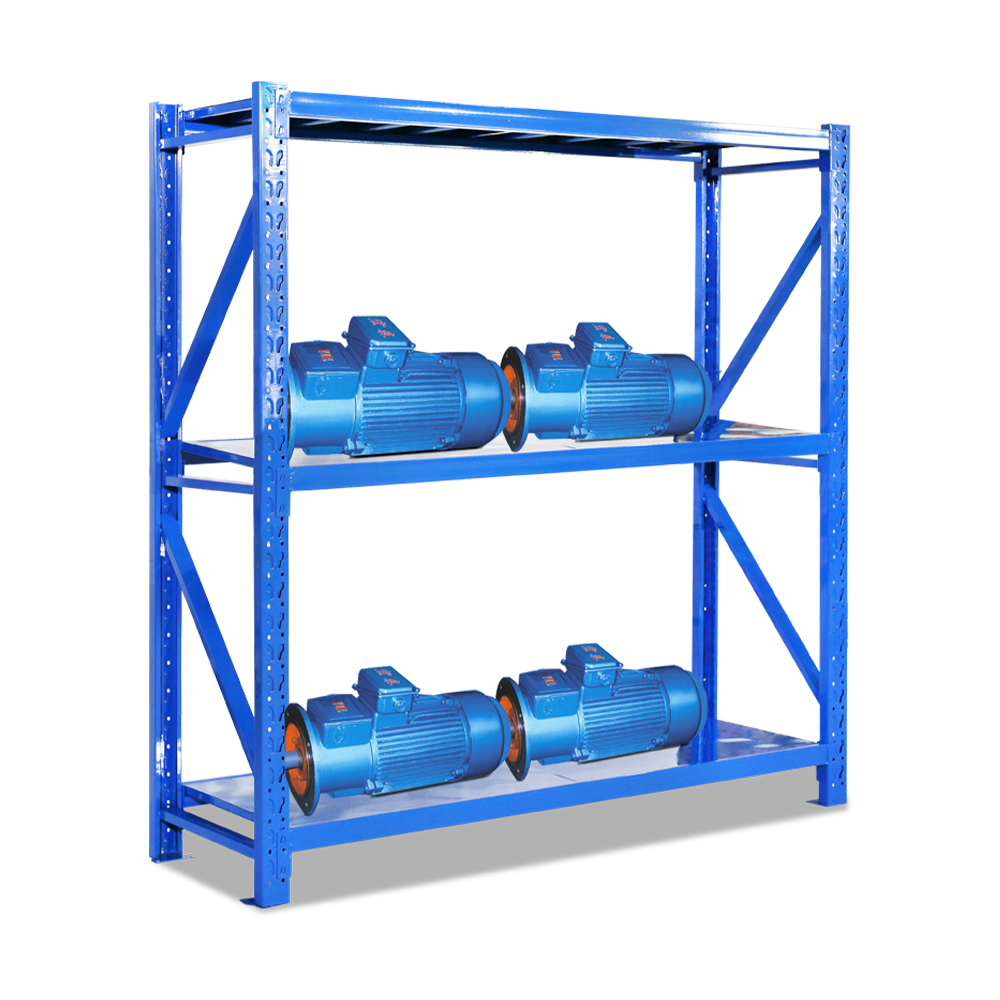
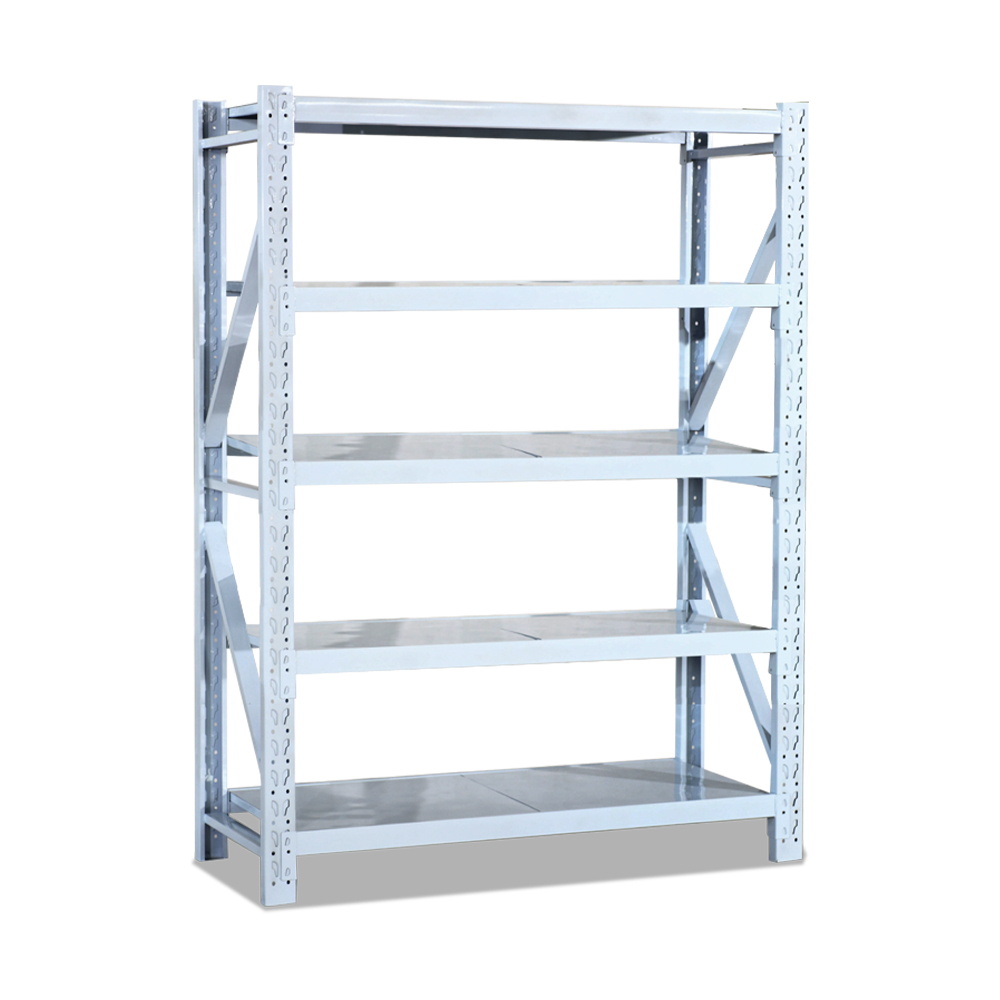
·Rastrelliera di stoccaggio per carichi medi e ad alto carico Questo scaffale di stoccaggio vanta una robusta capacità di carico di 200-500 kg per strato, che lo rende ideale per lo stoccaggio di articoli medio-pesanti in casa, ufficio e piccoli magazzini. Il design della trave multi-piega migliora significativamente la resistenza strutturale, garantendo stabilità e prestazioni di carico eccezionali anche a pieno carico. ·Struttura in acciaio rinforzato per una maggiore durata Costruito con pannelli di ripiani in acciaio rinforzato di alta qualità, questo rack offre durata e resistenza superiori alla flessione e alla deformazione. Il design del bordo dello scaffale in un unico pezzo offre maggiore sicurezza, impedendo agli oggetti di cadere dagli scaffali e garantendo un uso quotidiano sicuro. ·Design ingegneristico stabile e anti-oscillazione I montanti rinforzati e le travi multi-piega formano una solida struttura di supporto triangolare, prevenendo efficacemente le oscillazioni e garantendo stabilità complessiva. Questo design ingegneristico professionale garantisce che lo scaffale rimanga stabile anche quando si ripongono oggetti pesanti sugli strati superiori, eliminando i rischi per la sicurezza. ·Finitura anticorrosione di lunga durata L'intero rack è trattato con una finitura verniciata a polvere di alta qualità, che fornisce un'eccellente resistenza alla ruggine e alla corrosione, prolungando la durata del rack. Questa finitura conferisce inoltre al rack un aspetto elegante e professionale, rendendolo adatto sia per ambienti domestici che commerciali. ·Facile da montare e mantenere Questo rack viene fornito con tutto l'hardware necessario e un manuale di installazione dettagliato, rendendo il montaggio rapido e senza problemi. La superficie liscia è facile da pulire e mantenere, basta pulirla con un panno umido per rimuovere polvere e sporco, mantenendo il rack come nuovo per anni.
·Archiviazione affidabile per la casa e le piccole imprese Che tu abbia bisogno di riporre attrezzi pesanti in garage, merci sfuse in un piccolo negozio al dettaglio o documenti e attrezzature in ufficio, questo scaffale per carichi medi è la soluzione perfetta. Combina un'elevata capacità di carico con un design compatto, rendendolo adatto a un'ampia gamma di applicazioni domestiche e di piccole imprese. ·Stoccaggio sicuro per oggetti pesanti La struttura rinforzata e il design del bordo di sicurezza assicurano che i tuoi oggetti pesanti siano conservati in modo sicuro e protetto, senza il rischio di cadere o di crollare. Questo ti dà tranquillità quando riponi oggetti preziosi o pesanti, sapendo che sono ben protetti. ·Stoccaggio verticale salvaspazio Questo scaffale verticale sfrutta al massimo lo spazio disponibile, consentendoti di riporre più oggetti senza occupare spazio aggiuntivo. È ideale per i piccoli spazi e ti aiuta a mantenere la tua area organizzata e ordinata, pur fornendo un'ampia capacità di archiviazione. ·Soluzione economicamente vantaggiosa a lungo termine Realizzato in acciaio di alta qualità con una finitura anticorrosione durevole, questo rack è costruito per durare per molti anni, facendoti risparmiare il costo della sostituzione di soluzioni di stoccaggio economiche e fragili. Si tratta di un investimento una tantum che continuerà a soddisfare le vostre esigenze di archiviazione negli anni a venire. ·Versatile per molteplici applicazioni Questo scaffale può essere utilizzato in un'ampia varietà di ambienti, dal garage di casa, cantina e soggiorno, all'ufficio, al negozio e al piccolo magazzino. Il suo design versatile gli consente di adattarsi a diverse esigenze di archiviazione, rendendolo una soluzione di archiviazione davvero all-in-one.
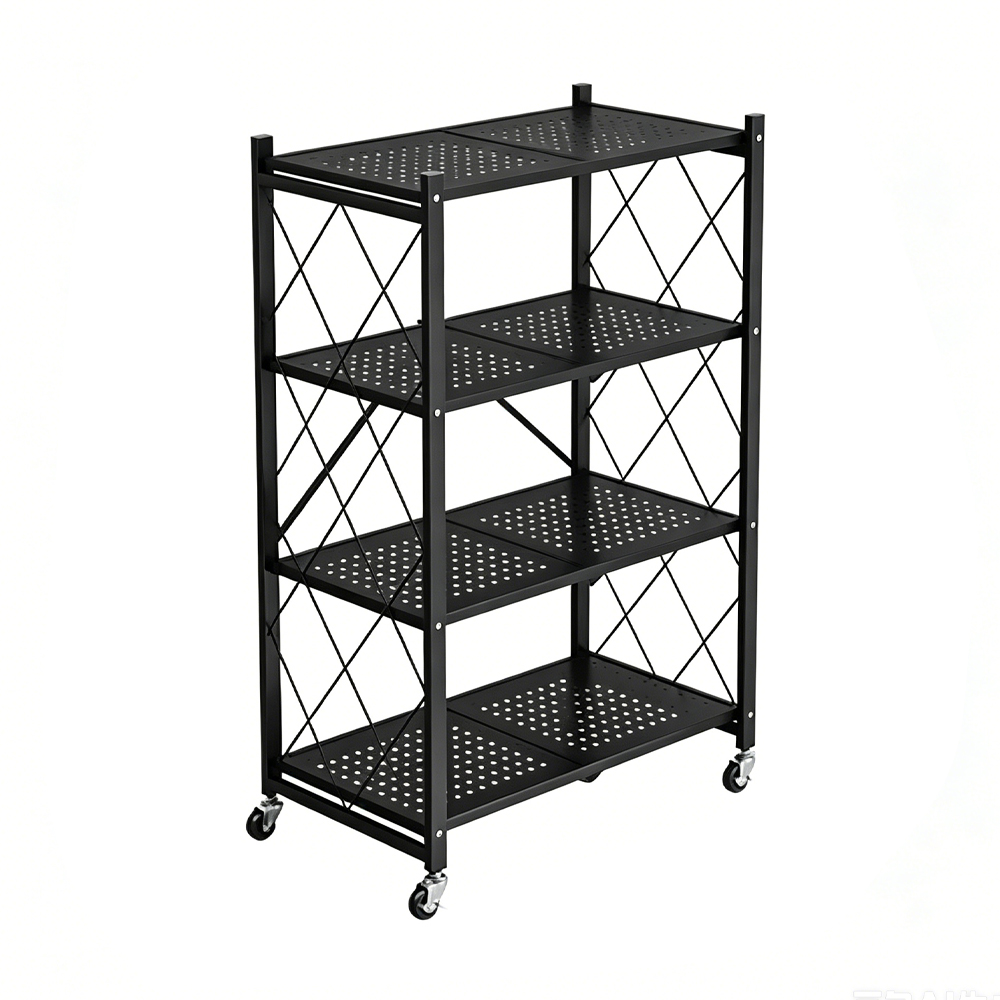
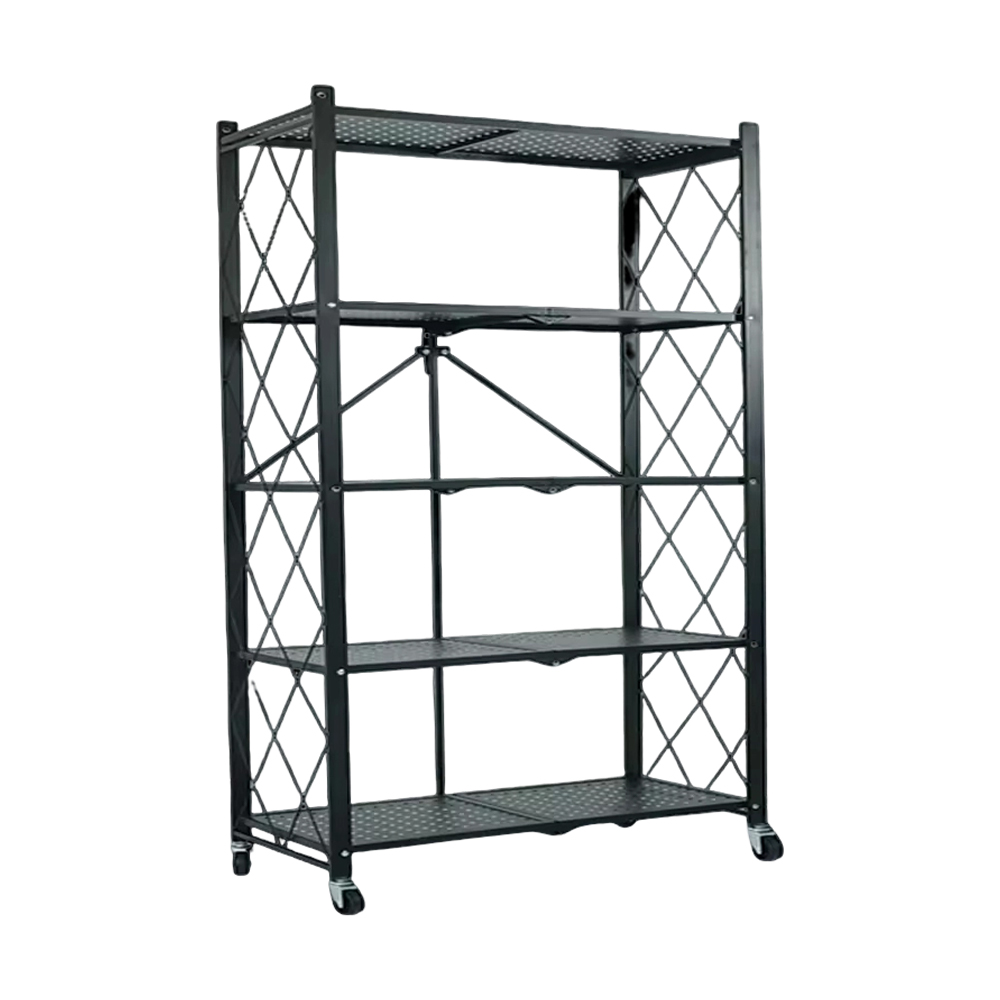
【Soluzione di archiviazione perfetta per piccoli spazi abitativi】 Se vivi in un piccolo appartamento, monolocale o condominio con spazio limitato, questo scaffale pieghevole è la soluzione perfetta per tutte le tue esigenze di stoccaggio. Fornisce ampio spazio di archiviazione multistrato quando ne hai bisogno e si ripiega in modo compatto quando non lo fai, risparmiando spazio prezioso sul pavimento e aiutandoti a mantenere la tua casa organizzata e priva di disordine. 【Ideale per lo stoccaggio temporaneo e stagionale】 Questo scaffale pieghevole è perfetto per esigenze di stoccaggio temporanee e stagionali, come riporre vestiti stagionali, decorazioni natalizie, attrezzature sportive e altri oggetti che non usi tutto l'anno. Quando non lo usi, puoi semplicemente ripiegarlo e riporlo in un armadio, sotto il letto o in garage, occupando uno spazio minimo finché non ne avrai nuovamente bisogno. 【Facile da montare e utilizzare】 Questo rack di stoccaggio viene fornito preassemblato o richiede un assemblaggio minimo, rendendolo facile e veloce da configurare e iniziare subito a utilizzare. Il semplice design pieghevole significa che puoi aprirlo e averlo pronto per l'uso in pochi secondi, senza bisogno di strumenti o istruzioni complicati. 【Stabile e sicuro per l'uso domestico quotidiano】 La struttura rinforzata e il design antiscivolo assicurano che questo rack di stoccaggio rimanga stabile e sicuro durante l'uso quotidiano, con il rischio minimo di oscillazione, ribaltamento o collasso. Ciò lo rende sicuro da usare in case con bambini e animali domestici, dandoti la tranquillità che i tuoi oggetti siano conservati in modo sicuro e protetto. 【Versatile per molteplici applicazioni in casa】 Questo scaffale pieghevole può essere utilizzato in ogni stanza della tua casa, dal soggiorno, camera da letto e cucina al bagno, garage e balcone. È perfetto per organizzare libri, giocattoli, vestiti, articoli da cucina, articoli da toeletta, strumenti e altro ancora, rendendolo una soluzione di archiviazione tutto in uno davvero versatile e pratica per la tua casa.
【Rack portaoggetti pieghevole salvaspazio】 Questo innovativo portaoggetti presenta un design pieghevole, che ti consente di piegarlo facilmente e riporlo quando non in uso, risparmiando spazio prezioso nella tua casa. È la soluzione di archiviazione perfetta per piccoli appartamenti, monolocali, condomini e altri spazi abitativi in cui lo spazio è limitato, fornendo ampio spazio di archiviazione quando ne hai bisogno e ripiegabile quando non ti serve. 【Costruzione robusta e durevole】 Costruito con materiali di alta qualità, questo scaffale offre stabilità e durata eccezionali, in grado di contenere un gran numero di oggetti senza piegarsi, oscillare o crollare. La struttura rinforzata garantisce che lo scaffale rimanga stabile e sicuro, anche a pieno carico, fornendo una soluzione di stoccaggio affidabile e duratura per la tua casa. 【Leggero e facile da spostare】 Questo scaffale è progettato per essere leggero ma robusto, facilitando lo spostamento e il trasferimento in casa secondo necessità. Che tu debba spostarlo dal soggiorno alla camera da letto o portarlo con te quando cambi casa, il design leggero e la struttura pieghevole rendono il trasporto rapido e senza problemi. 【Archiviazione multistrato per la massima organizzazione】 Questo scaffale è dotato di più livelli di stoccaggio, offrendo ampio spazio per organizzare e riporre un'ampia varietà di oggetti, da libri, giocattoli e vestiti a forniture per la casa, utensili da cucina e altro ancora. Il design multistrato ti consente di classificare i tuoi articoli e mantenerli ordinatamente organizzati, facilitando la ricerca di ciò di cui hai bisogno, quando ne hai bisogno. 【Facile da pulire e mantenere】 La superficie liscia e non porosa di questo scaffale è incredibilmente facile da pulire e mantenere. Basta pulirlo con un panno umido o un detergente delicato per rimuovere polvere, sporco e macchie e sembrerà come nuovo. Questo design a bassa manutenzione ti fa risparmiare tempo e fatica, rendendolo ideale per le famiglie impegnate.
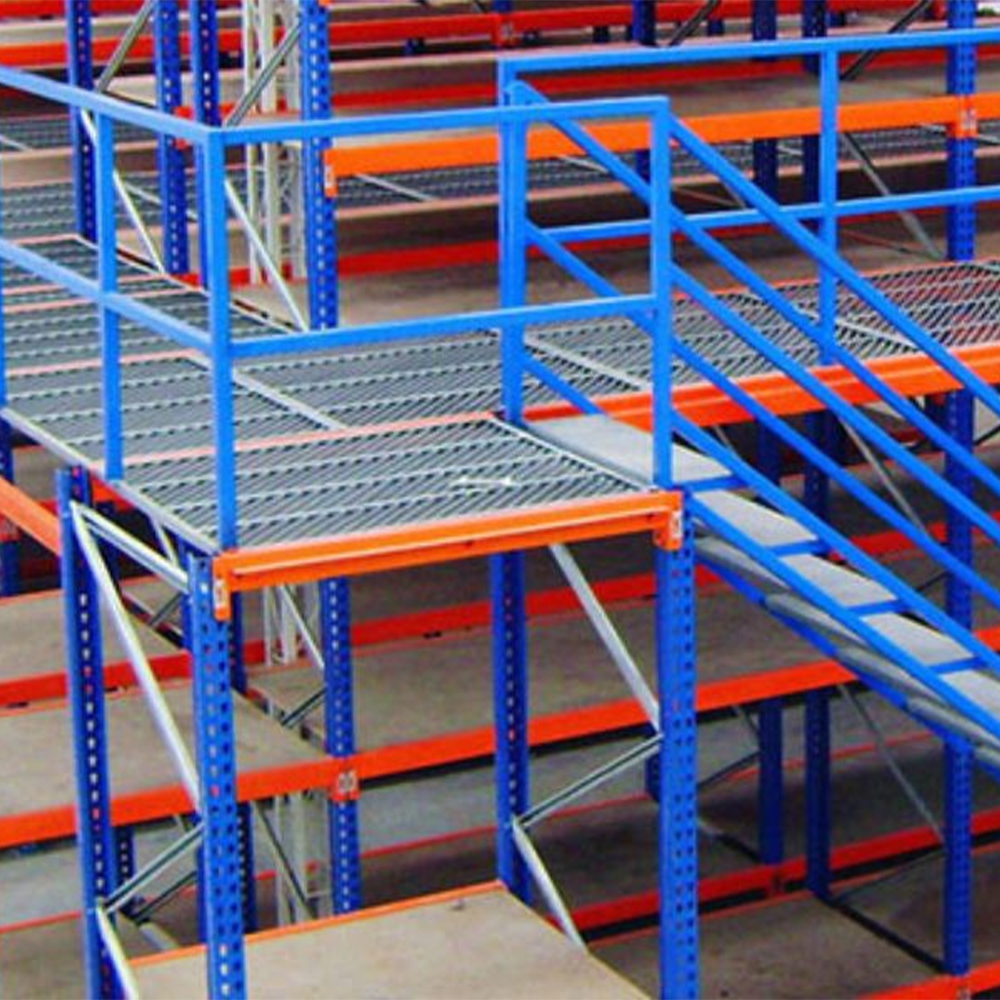
【Sistema di rack di stoccaggio per magazzino ad alta densità】 Questo sistema di scaffalature di stoccaggio industriale è progettato specificamente per massimizzare l'altezza verticale del magazzino e l'area di stoccaggio totale, consentendoti di immagazzinare più merci nello stesso spazio. È la soluzione perfetta per i magazzini che desiderano aumentare la propria capacità di stoccaggio senza espandere lo spazio fisico, migliorando significativamente l'efficienza complessiva del magazzino. 【Design modulare imbullonato per un facile assemblaggio】 Il design modulare imbullonato consente un montaggio semplice e veloce, con tutto l'hardware necessario incluso e un manuale di installazione dettagliato fornito. Questo design facilita inoltre lo smontaggio e il riposizionamento dello scaffale, rendendolo ideale per le aziende che si spostano o che necessitano di riconfigurare frequentemente il layout del magazzino. 【Configurazione flessibile del pavimento per layout personalizzati】 Questo sistema di scaffalature offre opzioni flessibili di configurazione del pavimento, consentendoti di personalizzare il layout per adattarlo allo spazio del magazzino e alle esigenze di stoccaggio. Se avete bisogno di corsie strette per lo stoccaggio ad alta densità, di corsie larghe per l'accesso ai carrelli elevatori o di una combinazione di entrambi, questo sistema può essere configurato per soddisfare le vostre esigenze specifiche. 【Costruzione in acciaio rinforzato per carichi pesanti】 Costruito in acciaio laminato a freddo di alta qualità, questo sistema di scaffalature offre eccezionale capacità di carico e stabilità strutturale, rendendolo adatto per lo stoccaggio di merci pesanti, attrezzature industriali e scorte sfuse. I montanti e le travi rinforzati assicurano che il sistema rimanga stabile e sicuro, anche a pieno carico alla massima capacità. 【Finitura industriale durevole per un uso a lungo termine】 L'intero sistema è trattato con una finitura verniciata a polvere, che fornisce un'eccellente resistenza alla ruggine, alla corrosione e ai graffi, prolungando la durata delle scaffalature. Questa finitura è progettata per resistere alle dure condizioni degli ambienti dei magazzini industriali, garantendo che il sistema rimanga in buone condizioni per molti anni, anche con un uso quotidiano intenso.